Inside Higher Ed Home
  • Search
  • Institutional Access

    Your institution provides full access to Inside Higher Ed content.

  • Subscribe
Menu
  • Search
  • Subscribe
  • Insider Dashboard
  • My Account
  • Institutional Access

    Your institution provides full access to Inside Higher Ed content.

    • Menu
    • Subscribe
    • Find a Job
    • News
    • Faculty
      • Contingent Faculty
      • Curriculum
      • Teaching
      • Learning & Assessment
      • Diversity & Equity
      • Career Development
      • Tenure
      • Retirement
      • Labor & Unionization
      • Shared Governance
      • Academic Freedom
      • Research
      • Books & Publishing
    • Students
      • Academics
      • Graduate students and Postdocs
      • Retention
      • Financial Aid
      • Careers
      • Residential Life
      • Athletics
      • Free Speech
      • Physical & Mental Health
      • Safety
    • Diversity
      • Race & Ethnicity
      • Sex & Gender
      • Socioeconomics
      • Religion
      • Disability
      • Age
    • Admissions
      • Traditional-Age
      • Adult & Post-Traditional
      • Transfer
      • Graduate
    • Tech & Innovation
      • Teaching & Learning
      • Artificial Intelligence
      • Digital Publishing
      • Data Analytics
      • Libraries
      • Administrative Tech
      • Alternative Credentials
    • Business
      • Financial Health
      • Cost-Cutting
      • Revenue Strategies
      • Academic Programs
      • Physical Campuses
      • Mergers & Collaboration
      • Fundraising
    • Institutions
      • Research Universities
      • Regional Public Universities
      • Community Colleges
      • Private Nonprofit Colleges
      • Minority-Serving Institutions
      • Religious Colleges
      • Women's Colleges
      • Specialized Colleges
      • For-Profit Colleges
    • Governance
      • Executive Leadership
      • Trustees & Regents
      • State Oversight
      • Accreditation
    • Government
      • Politics & Elections
      • Courts
      • Student Aid Policy
      • Science & Research Policy
      • State Policy
      • Colleges & Localities
    • Workplace
      • Employee Satisfaction
      • Remote & Flexible Work
      • Staff Issues
    • Global
      • Study Abroad
      • International Students in U.S.
      • U.S. Colleges in the World
    • Opinion
    • Views
      • Intellectual Affairs
    • Career Advice
      • Seeking a Faculty Job
      • Advancing in the Faculty
      • Teaching
      • Seeking an Administrative Job
      • Advancing as an Administrator
      • Diversity
    • Columns
      • The Academic Worker
      • Beyond Transfer
      • Call to Action
      • Confessions of a Community College Dean
      • Debatable Ideas
      • Echoes in the Quad
      • Editor’s Note
      • Everything Is Fine
      • Just Visiting
      • Leadership in Higher Education
      • Learning Innovation
      • Online: Trending Now
      • The Public Scholar
      • Resident Scholar
      • Small World
      • Tough Love
    • Letters
    • Hubs
    • Student Success
      • Student Voice
      • Academic Life
      • Health & Wellness
      • The College Experience
      • Life After College
    • Special
    • Podcasts
      • The Key
      • Academic Minute
      • Campus
      • The Pulse
      • Weekly Wisdom
    • Reports & Data
    • Events
    • Quick Takes
    • Solutions
    • Institutional Subscriptions
    • Advertising & Marketing
    • Consulting Services
    • Data & Insights
    • Hiring & Jobs
    • Event Partnerships
    • Campus+
    • More
    • Post a Job
    • Campus
    • About
    • Contact Us
Insider Dashboard
  • About Insider
  • The Sandbox
  • Webcasts
  • Reports
  • About Insider
  • The Sandbox
  • Webcasts
  • Reports
October 24, 2026

Mentor, Consultant, Coach: Which Do You Need?

“Having a coach available is not selfish or an admission of weakness; it is a valuable addition to your leadership portfolio.”

By  Rachel Toor

The Sandbox

Inside Higher Ed Insider
T-shirt that reads "Some of my ideas are stupid."

From Rachel Toor

At this point I know lots of terrific presidents who say they have great teams that will give them candid feedback. I know they believe that, but the fact is, I don’t. I just don’t. Too often I’ve spoken to senior administrators who tell me stuff and I say, “Did you share this with the president?” Nope.

I can’t blame folks for being afraid to lose their jobs (and wish I had some of that fear). The other side of this, the best case, is when senior staff think the president is so smart that she’s always right. I’ve long told my editors that I receive critical feedback as love. Then I complain when I don’t get more than “There’s a typo in the third paragraph” and wail, “You clearly don’t love me.” It takes time, energy, and a willingness to hurt feelings to be a real thought partner.

Excellent leaders find people who care enough to tell them they have spinach in their teeth or that some of their ideas are dumb. But even when you’re paying someone to do that, they may still find it hard to tell you hard things if they’re relying on you for a paycheck.

I have a bit of a moral hangover from being the tough friend to a bunch of presidents. I’m not always right about how to do things (having never been in a leadership role—see above under “no fear”), but as a writer I think a lot about something my agent said to me a long time ago about a book manuscript I was struggling with: “If I tell you there’s a problem, Rachel, believe me. It’s up to you to know how best to solve it.”

None of us have to take advice, but we do all need to listen carefully. And to know who deserves to be heard.
The writer is a former president.

I remember the excitement and anticipation of my first university presidency. I probably should have anticipated the future a bit when I was picked up from the airport, had a long walk, and was expected to carry my own luggage! The baggage metaphor continued.

The onboarding was simple—“Here’s your office, let us know if you need anything.” The board and staff were short on providing direction, and I had to find my own way to the bathroom and the garage door opener.

Fortunately, I was able to find the right individuals with insight and connections, but I always felt more sophistication from the organizational culture was needed.

For my second presidency I had a lot more help, but in both cases, what I know now is that something was missing—an executive coach.

In today’s dynamic higher education environment, leaders face enormous challenges, which frequently result in stress, isolation, cognitive dissonance about decisions, and outright questioning of whether taking the position is worth it. But there is a potential solution, which helps these important leaders to reach their maximum potential and make a significant difference at their institutions: Hire a coach.

Increasingly, contracts for presidents in higher education include access to a coach, and this benefit can extend to other cabinet members. Search firms frequently suggest requesting a coach as part of a president’s contract, establishing that important support from day one.

Yet the challenge remains about what to look for in a coach and how to evaluate them. Further, there are many current and retired presidents who position coaching as an expertise. It is, indeed, true that that longer-term leaders have on-the-job experiences that add up to extraordinary insight for coaching. However, if they are not trained and certified as a coach, something is missing. I know this because I’ve done both.

As a two-time president and long-term higher education consultant, I thought becoming certified as a coach would be easy. After all, I had several degrees and decades of experience. What I learned in the first coach-training session is how different a coach is from a mentor, consultant and therapist. A mentor guides the person, a consultant provides the answer, and therapists have the qualifications that transcend both in circumstances when a client has a need for their services.

My own coaching certifications provide valuable insight into my own experiences and ways to help others. Coaches need ongoing training to remain certified, which is very helpful for the clients served. For example, I had a client whose radar was way off when interacting with faculty. He wasn’t listening. I resisted quoting Hamilton by stating, “Talk less, smile more.” I added social and emotional intelligence coaching certification, which provided new tools to help him and others. I also added trauma-informed coaching to help a CEO and his wife after a shooting. Through that training, I learned to never bring up the trauma, because that triggers a painful recollection. Let the person bring it up on their own. How I wish I knew that pointer earlier in my life.

For college presidents, a certified coach is trained to focus on the person, not the story. They ask open-ended questions to help the client find a solution. There is no judgment or consulting in this type of coaching, although a mentor-coach will help the client when all solutions are exhausted through offering personal experiences. However, the agenda is always under the client’s control. I had to set aside previous consultant practices and be trained to be a coach.

Yes, I was simply shown my desk in my first presidency. As I look back and am more knowledgeable about the journey traveled, it would have been an incredible advantage to have a coach sitting in that office, waiting for me. Personal things like work-life balance, relationship stress (personal and professional), etc. That one heightened my previous training in body language. Now my staff know I can tell what they are thinking just by looking at their eyes.

That would have been useful in situations where an executive coach could have served as a partner as I transitioned into the presidency. Executive coaches often have transition expertise and recognize the importance of eschewing isolation.

With all the challenges in higher education, trustees also feel the stress. Some presidents have asked if trustees can be coached. It’s an easy answer—yes, but only if they want it. When I speak with trustees, I see the anxiety and burden of their important roles.

With an increasing number of presidencies turning over, with all leaders facing unpredictable and increasing challenges, having someone to talk with confidentially, to bring out best options for action and combine experience is a gift for any leader. Having a coach available is not selfish or an admission of weakness; it is a valuable addition to your leadership portfolio.

https://bit.ly/4hGOJBo

Want to advertise here?

Feel free to forward this email to anyone

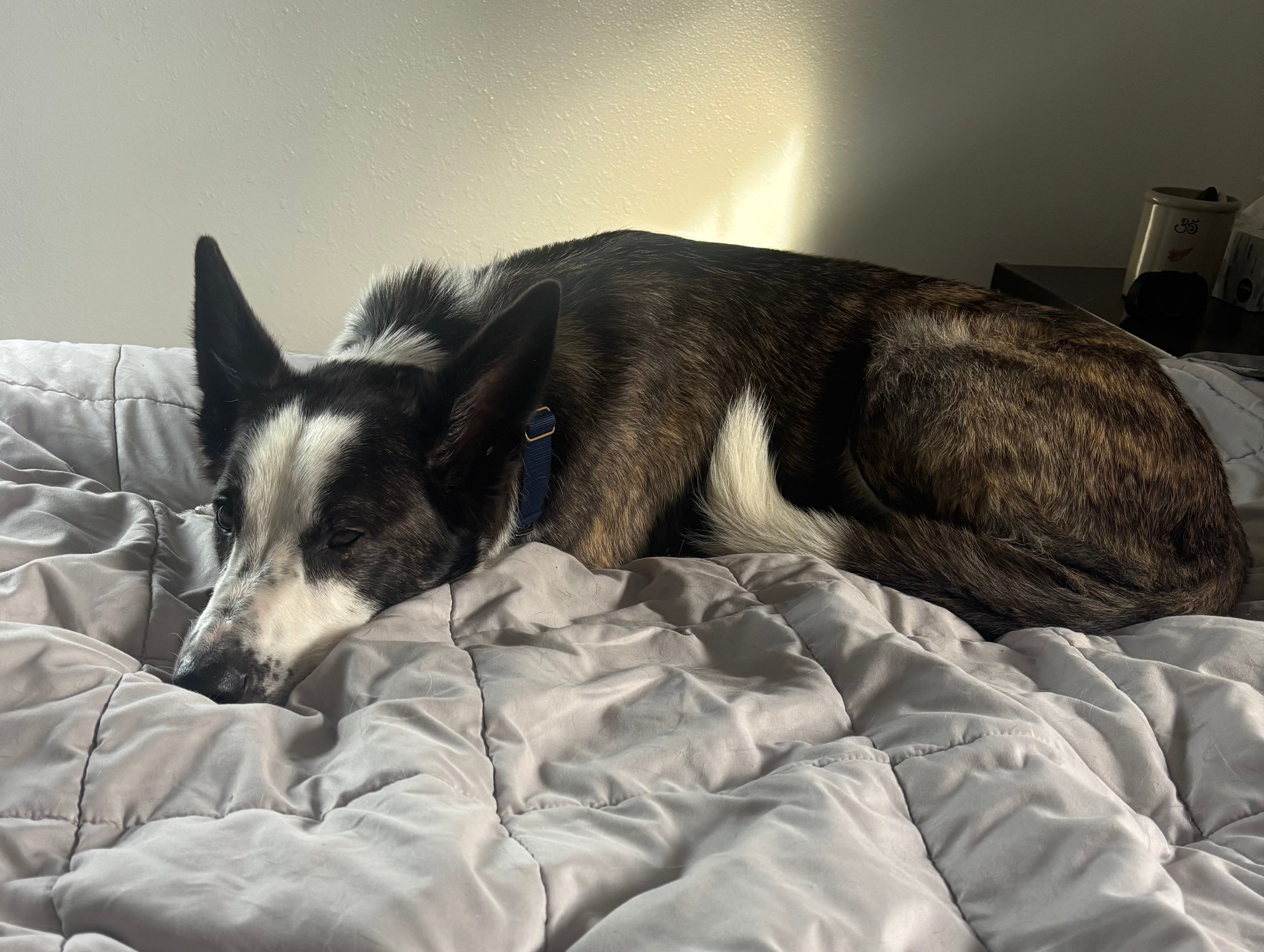
Harry the dog sulking in bed

To paraphrase Harry S Truman, if you want a friend as a president, get a dog. Though the dog may not be thrilled with the hours you keep.

JOIN TODAY


The Sandbox

Not your typical weekly newsletter. This is a space where presidents and chancellors can say what they really think without fear. Everyone is welcome to read, but only those who have been in the top job can submit to us. The Sandbox, by Rachel Toor, is an exclusive benefit of our paid Insider membership program.


The Sandbox Archive

The Loneliness of the Long-Serving President

October 17, 2026

A Proposal for Fundraising

October 10, 2026

The Worst of Times: FY 2025–26

October 3, 2026

Hiring a Leadership Team

September 26, 2026

The Real Text Messages of Lady Presidents

September 19, 2026
View All
Advertisement

Company

  • Contact Us
  • About Us
  • Work with Us
  • History
  • Meet the Team
  • Advertise
  • Subscriptions
  • Find a Job
  • Post a Job

Legal

  • Rights & Permissions
  • Privacy
  • Terms of Service
  • Do Not Sell or Share My Personal Information

Newsletter

Create a free account and get higher ed's most essential news, analysis, and career advice delivered to your inbox.

Copyright © 2026 Inside Higher Ed All rights reserved.

  • Menu
  • Insider Dashboard
  • My Account
  • Subscribe
  • Find a Job
  • News
  • Faculty
    • Contingent Faculty
    • Curriculum
    • Teaching
    • Learning & Assessment
    • Diversity & Equity
    • Career Development
    • Tenure
    • Retirement
    • Labor & Unionization
    • Shared Governance
    • Academic Freedom
    • Research
    • Books & Publishing
  • Students
    • Academics
    • Graduate students and Postdocs
    • Retention
    • Financial Aid
    • Careers
    • Residential Life
    • Athletics
    • Free Speech
    • Physical & Mental Health
    • Safety
  • Diversity
    • Race & Ethnicity
    • Sex & Gender
    • Socioeconomics
    • Religion
    • Disability
    • Age
  • Admissions
    • Traditional-Age
    • Adult & Post-Traditional
    • Transfer
    • Graduate
  • Tech & Innovation
    • Teaching & Learning
    • Artificial Intelligence
    • Digital Publishing
    • Data Analytics
    • Libraries
    • Administrative Tech
    • Alternative Credentials
  • Business
    • Financial Health
    • Cost-Cutting
    • Revenue Strategies
    • Academic Programs
    • Physical Campuses
    • Mergers & Collaboration
    • Fundraising
  • Institutions
    • Research Universities
    • Regional Public Universities
    • Community Colleges
    • Private Nonprofit Colleges
    • Minority-Serving Institutions
    • Religious Colleges
    • Women's Colleges
    • Specialized Colleges
    • For-Profit Colleges
  • Governance
    • Executive Leadership
    • Trustees & Regents
    • State Oversight
    • Accreditation
  • Government
    • Politics & Elections
    • Courts
    • Student Aid Policy
    • Science & Research Policy
    • State Policy
    • Colleges & Localities
  • Workplace
    • Employee Satisfaction
    • Remote & Flexible Work
    • Staff Issues
  • Global
    • Study Abroad
    • International Students in U.S.
    • U.S. Colleges in the World
  • Opinion
    • Opinion
  • Views
    • Intellectual Affairs
  • Career Advice
    • Seeking a Faculty Job
    • Advancing in the Faculty
    • Teaching
    • Seeking an Administrative Job
    • Advancing as an Administrator
    • Diversity
  • Columns
    • The Academic Worker
    • Beyond Transfer
    • Call to Action
    • Confessions of a Community College Dean
    • Debatable Ideas
    • Echoes in the Quad
    • Editor’s Note
    • Everything Is Fine
    • Just Visiting
    • Leadership in Higher Education
    • Learning Innovation
    • Online: Trending Now
    • The Public Scholar
    • Resident Scholar
    • Small World
    • Tough Love
  • Letters
  • Hubs
  • Student Success
    • Student Voice
    • Academic Life
    • Health & Wellness
    • The College Experience
    • Life After College
  • Special
  • Podcasts
    • The Key
    • Academic Minute
    • Campus
    • The Pulse
    • Weekly Wisdom
  • Reports & Data
  • Events
  • Quick Takes
  • Solutions
  • Institutional Subscriptions
  • Advertising & Marketing
  • Consulting Services
  • Data & Insights
  • Hiring & Jobs
  • Event Partnerships
  • Campus+
  • More
  • Post a Job
  • Campus
  • About
  • Contact Us