
Inside Higher Ed Home
  • Search
  • Institutional Access

    Your institution provides full access to Inside Higher Ed content.

  • Subscribe
Menu
  • Search
  • Subscribe
  • Insider Dashboard
  • My Account
  • Institutional Access

    Your institution provides full access to Inside Higher Ed content.

    • Menu
    • Subscribe
    • Find a Job
    • News
    • Faculty
      • Contingent Faculty
      • Curriculum
      • Teaching
      • Learning & Assessment
      • Diversity & Equity
      • Career Development
      • Tenure
      • Retirement
      • Labor & Unionization
      • Shared Governance
      • Academic Freedom
      • Research
      • Books & Publishing
    • Students
      • Academics
      • Graduate students and Postdocs
      • Retention
      • Financial Aid
      • Careers
      • Residential Life
      • Athletics
      • Free Speech
      • Physical & Mental Health
      • Safety
    • Diversity
      • Race & Ethnicity
      • Sex & Gender
      • Socioeconomics
      • Religion
      • Disability
      • Age
    • Admissions
      • Traditional-Age
      • Adult & Post-Traditional
      • Transfer
      • Graduate
    • Tech & Innovation
      • Teaching & Learning
      • Artificial Intelligence
      • Digital Publishing
      • Data Analytics
      • Libraries
      • Administrative Tech
      • Alternative Credentials
    • Business
      • Financial Health
      • Cost-Cutting
      • Revenue Strategies
      • Academic Programs
      • Physical Campuses
      • Mergers & Collaboration
      • Fundraising
    • Institutions
      • Research Universities
      • Regional Public Universities
      • Community Colleges
      • Private Nonprofit Colleges
      • Minority-Serving Institutions
      • Religious Colleges
      • Women's Colleges
      • Specialized Colleges
      • For-Profit Colleges
    • Governance
      • Executive Leadership
      • Trustees & Regents
      • State Oversight
      • Accreditation
    • Government
      • Politics & Elections
      • Courts
      • Student Aid Policy
      • Science & Research Policy
      • State Policy
      • Colleges & Localities
    • Workplace
      • Employee Satisfaction
      • Remote & Flexible Work
      • Staff Issues
    • Global
      • Study Abroad
      • International Students in U.S.
      • U.S. Colleges in the World
    • Opinion
    • Views
      • Intellectual Affairs
    • Career Advice
      • Seeking a Faculty Job
      • Advancing in the Faculty
      • Teaching
      • Seeking an Administrative Job
      • Advancing as an Administrator
      • Diversity
    • Columns
      • The Academic Worker
      • Beyond Transfer
      • Call to Action
      • Confessions of a Community College Dean
      • Debatable Ideas
      • Echoes in the Quad
      • Editor’s Note
      • Everything Is Fine
      • Just Visiting
      • Leadership in Higher Education
      • Learning Innovation
      • Online: Trending Now
      • The Public Scholar
      • Resident Scholar
      • Small World
      • Tough Love
    • Letters
    • Hubs
    • Student Success
      • Student Voice
      • Academic Life
      • Health & Wellness
      • The College Experience
      • Life After College
    • Special
    • Podcasts
      • The Key
      • Academic Minute
      • Campus
      • The Pulse
      • Weekly Wisdom
    • Reports & Data
    • Events
    • Quick Takes
    • Solutions
    • Institutional Subscriptions
    • Advertising & Marketing
    • Consulting Services
    • Data & Insights
    • Hiring & Jobs
    • Event Partnerships
    • Campus+
    • More
    • Post a Job
    • Campus
    • About
    • Contact Us
Insider Dashboard
  • About Insider
  • The Sandbox
  • Webcasts
  • Reports
  • About Insider
  • The Sandbox
  • Webcasts
  • Reports
October 17, 2026

The Loneliness of the Long-Serving President

The answer to “Who do you really talk to?” is often “No one.”

By  Rachel Toor

The Sandbox

Inside Higher Ed Insider
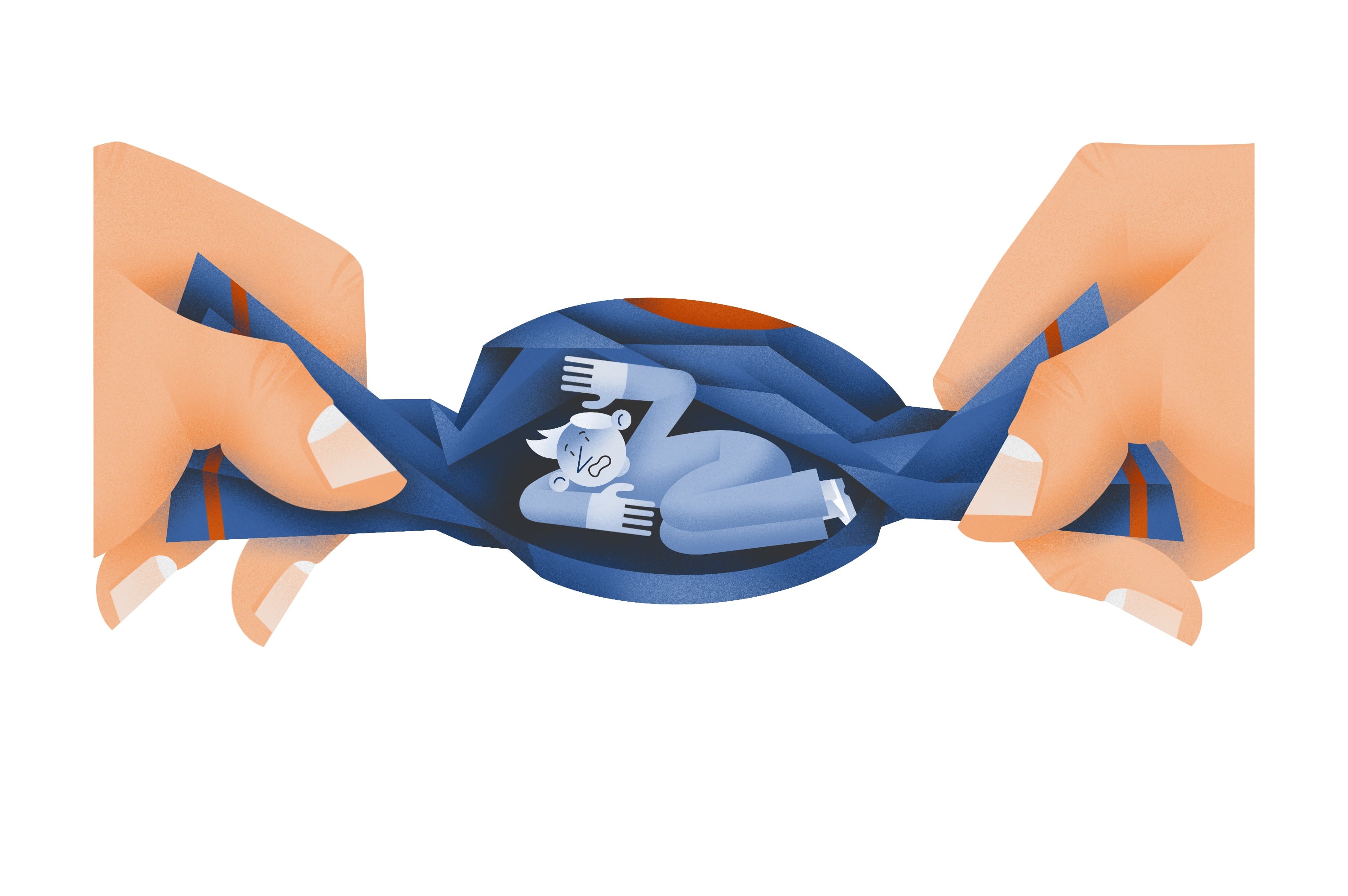
President as a piece of candy

From Rachel Toor

A problem presented by clichés is that they’re usually true.

It is lonely at the top. Period. Exclamation point.

Today’s second president expresses honest sentiment, but when she sent me the draft, I knew it had been “edited” by one of the few real confidants many presidents turn to these days: an AI agent. As the tough friend I am, I called her out and then edited it like crazy.

Another president submitted a great Sandbox piece and then a few weeks later gave me a revision that was much worse, and I had some, um, suspicions. It was shiny to the point of being unctuous. He said he’d given it to his comms team. (What!?) I said he might need a new team.

I mention this not because it matters for The Sandbox, where the stakes are nonexistent, but because I want to protect people in our sector whose lives are busy and souls are weary. As we all become more reliant on our little bot friends, we’re also all increasingly skeptical about believing what we’re seeing. Bot prose is now as recognizable as Tom Waits’s singing voice and even less mellifluous.

If you’ve gotten emails or texts from me, you know I write quick and dirty with lots of missing words and typos. When I feed something to the bots, I give strict instructions never to touch my language but just to point out mistakes; it’s like spell-check on steroids. Sometimes AI pals will highlight a structural or argumentative gap. Great. My human editors all know that while I need them to point out problems, they must let me find ways to fix them. No one is the boss of me.

When people tell me they love to write, I go all Church Lady and think, Well, isn’t that special. Writing is really freaking hard, and if I could do anything else, I would. My voice on the page is pretty much unchanged from how I sounded in my college application essay (though now way less pretentious).

Something I learned long ago that has long stuck with me (and may not be true) is that Oriental rugs have an intentional flaw; only Allah is perfect and to try to create something perfect would be an act of hubris.

Stay human, friends. Please forgive me my typos, as l forgive those who typo against me. (If one makes it into IHE, blame the editors, who I know are still human.)

The writer is a current president.

I don’t have friends. The loneliness of the job affects not only those of us who chose this path but our families as well. Building friendships and connections requires time, and I don’t often have that.

Where I see the real impact is on my spouse. I’m now in my second presidency, and she is reluctant to make friends at the new place, because she just went through the heartbreaking act of leaving a good friend at the old one. Our intention is to be here a decade or more, but boards are fickle and politics change, and that may not end up being my choice.

Getting the job often requires a move, and that move is often to a place where we don’t have tight connections. In contrast, many colleges and universities are in rural communities that have strong links to the institution. My community is not particularly small, but when I showed up at the college, I had to remember that everyone in town was “related or dated.” Not only would my spouse and I not get invited into those existing social groups, but I also had to be hyperaware of the social connections that already exist so I didn’t inadvertently burn a bridge.

Recently, I had to tell an internal candidate that he was not getting a job; we found a more qualified outside candidate. That was my decision. But I never know when I’m going to have to make decisions like that for the good of the institution, and I know I’m likely not going to keep friends if I deny them a promotion.

Conversely, I won’t be good at the job if I let friendships shape my decisions. I know all this, and yet it was a shock to move from a VP role where I could always point to a decision-making process or person to explain a decision. As the president, I just have to own it.

While there is a lot of diversity in the president jobs, the one constant is that they all require a lot of time. We run our institutions and cater to our constituencies, whether that is donors, legislators, or local sports fans. It’s not unusual for me to be out several nights a week with people I don’t know and, to be honest—because that’s what anonymity here affords me—some I likely wouldn’t choose to hang out with. The work is exhilarating and can be fun, but it’s inherently lonely because the subject of the conversation is the school and my role is as president, not as a fellow human.

We presidents must adapt to situations, manage impressions, and occasionally act contrary to our true feelings. Yes, that legislator or board member may in fact be insane or ill informed, but I don’t often get to say so. I understand that in some ways the real mascot on campus is, well, me.

One of the great and terrible parts of the job is the high profile. When a reporter calls, they often want to hear from me. When the governor comes to town, they want my attention. As low as institutional trust has gotten at a general level, in many communities the college president is still an important figure. Higher ed in general might be perceived as terrible, but chances are the local college is seen as somehow bucking that trend. My name and picture are out there, and it doesn’t matter if it is at a fundraising dinner on campus or at the hardware store on Saturday morning, I am expected to be able to talk about the college and, honestly, just expected to talk.

Every year I’m contacted by parents who want to know why something happened in a particular classroom. We have thousands of classes, but they believe the president should be able to solve that problem. Not long ago, I had neighbors upset because I was trying to evict some feral cats from a storage building. I manage hundreds of thousands of square feet, but somehow that was my call to make.

I prefer not to speak about this publicly, and when other presidents bring it up, I’m often the one who pushes back against the narrative. I do that because I recognize the perks and I don’t think anyone should feel sorry for a college president. It’s a great job. But I do think boards, faculty and staff, and others would benefit from better understanding what it’s really like. And of course, I would like them to support us.

***

The writer is a current president.

From the very first week in my role as president, I realized loneliness would be a constant companion. At first, I imagined it would be temporary, until I found my footing. Many years later, I have come to accept loneliness as a bullet point in my job description.

I rarely talk anymore to my personal friends about my job. They have never understood why I don’t vent to the board or to my team. I try to explain that it’s not that I don’t trust folks. It’s how those around the president observe you with great scrutiny and how the campus digests information. I’ve learned to be unbelievably cautious about every single word I speak out loud. I’ve learned to never expect to be able to defend myself against a slanderous story or new round of gossip. I’ve learned to use heightened judgment about raising a concern, since in half a day it can turn into a rumor about pending change.

God forbid I allow myself to appear frustrated. That can result in an accusation about my temperament. A male colleague who raises his voice is passionate. A man who shows emotion is only human. A man who dominates a conversation, interrupts others, or talks forever is a leader. Women are “emotional.” We need to learn to be collaborators. We need to be more succinct. So, I’ve kept adapting. But then, just when I think I’ve cracked the code, I get feedback that I seem quiet, even disengaged.

I’m much different now than I used to be. At first, I brought issues forward to seek support and get advice on how to manage them. I learned the brutally hard way. Bring a problem to the wrong person and you’re slapped with another one. Bring something to your cabinet and they now must take on the burden themselves. When we’re all getting hit, who is left to steady the room?

I’ve come to realize, too, that there is little to no forgiveness for any signs of weakness. There is no place I get to look or be tired. No space for saying, “I don’t know.” My steadiness, my optimism, my willingness to take the hits are also bullets on my job description.

I’ve gotten skilled at adjusting my language to accommodate all constituents. In the lonely space of my chair, I script every sentence for the audience that will receive it. Some days, I wish I could just plainly state the problem rather than practice being both writer and politician.

Even after all these years, I am still shocked by the things people say about me. I’ve tried quickly sharing facts, only to be called defensive. I’ve tried openly addressing the person who spoke a mistruth, only to be told I’m not “being collaborative.” I’ve learned to smile, a lot, even at the colleague I know carried the tale, even at the one who chose to get ugly and personal. There are often no ways to expose bad behavior. When I take the hit for a colleague who has struggled or made a mistake, I shield them. Most never know I did it, so that, too, can be lonely.

I have a couple of close president friends, distant enough that we don’t compete. We share tales and ask each other for constructive advice for how to manage the newest situation. I talk to my spouse, yet I hold only the most egregious of situations for his ears. He instinctively knows now which nights I need a second glass of wine.

Is that enough? I don’t believe it is. Is there ever enough space for us presidents? It’s too often very lonely in these chairs. Perhaps that’s the nature of leadership, though how many other chief executives are so enmeshed in the communities of the people who work for them and so publicly available to all?

https://www.studiosity.com/

Want to advertise here?

Feel free to forward this email to anyone.

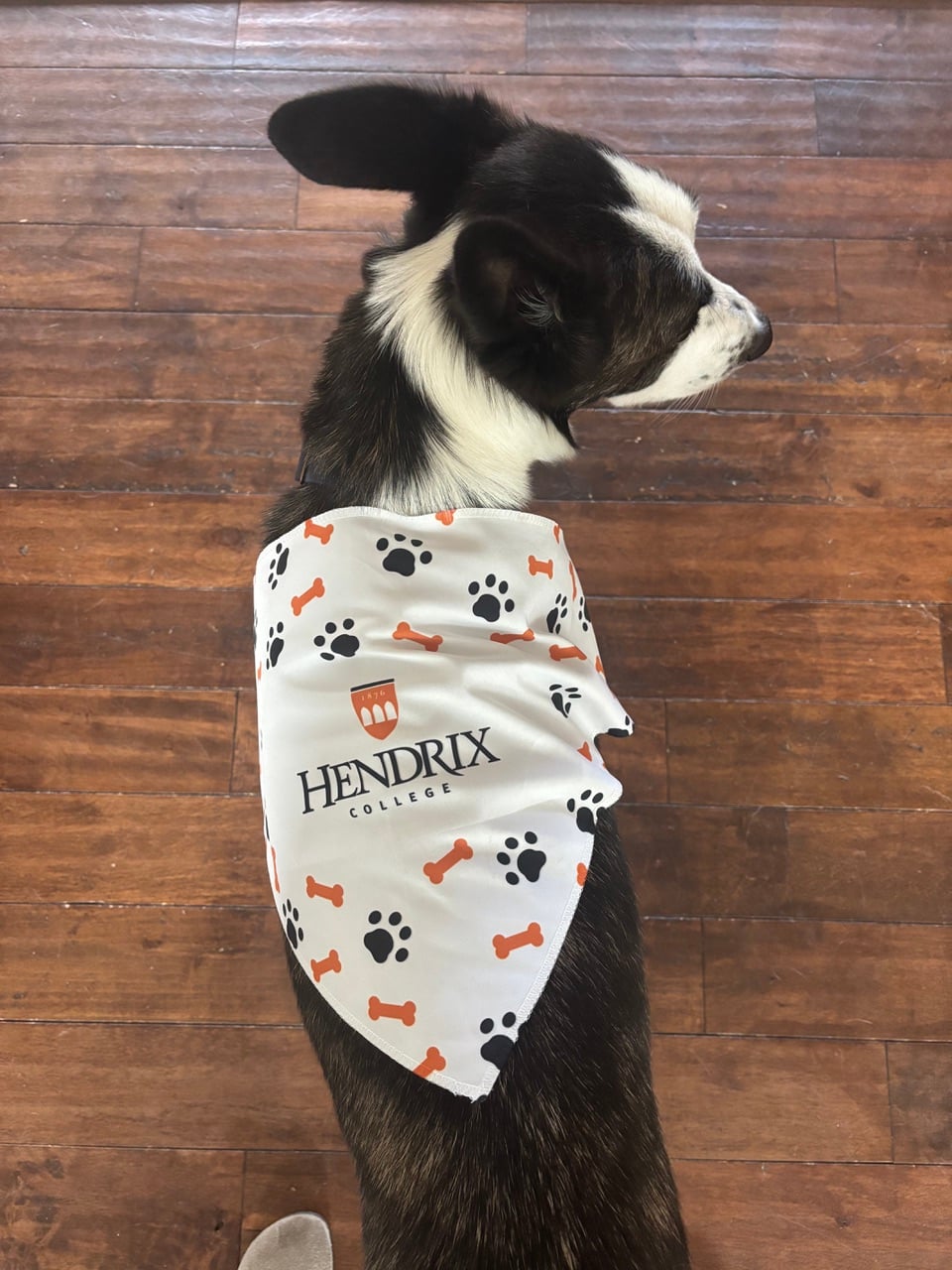
Harry the dog wearing a Hendrix scarf

If you haven’t heard by now, Gordon Gee and I had a great visit to Hendrix College, but all Harry got was this swag.

JOIN TODAY


The Sandbox

Not your typical weekly newsletter. This is a space where presidents and chancellors can say what they really think without fear. Everyone is welcome to read, but only those who have been in the top job can submit to us. The Sandbox, by Rachel Toor, is an exclusive benefit of our paid Insider membership program.


The Sandbox Archive

A Grieving President’s Thank-You

October 31, 2026

Mentor, Consultant, Coach: Which Do You Need?

October 24, 2026

A Proposal for Fundraising

October 10, 2026

The Worst of Times: FY 2025–26

October 3, 2026

Hiring a Leadership Team

September 26, 2026
View All
Advertisement

Company

  • Contact Us
  • About Us
  • Work with Us
  • History
  • Meet the Team
  • Advertise
  • Subscriptions
  • Find a Job
  • Post a Job

Legal

  • Rights & Permissions
  • Privacy
  • Terms of Service
  • Do Not Sell or Share My Personal Information

Newsletter

Create a free account and get higher ed's most essential news, analysis, and career advice delivered to your inbox.

Copyright © 2026 Inside Higher Ed All rights reserved.

  • Menu
  • Insider Dashboard
  • My Account
  • Subscribe
  • Find a Job
  • News
  • Faculty
    • Contingent Faculty
    • Curriculum
    • Teaching
    • Learning & Assessment
    • Diversity & Equity
    • Career Development
    • Tenure
    • Retirement
    • Labor & Unionization
    • Shared Governance
    • Academic Freedom
    • Research
    • Books & Publishing
  • Students
    • Academics
    • Graduate students and Postdocs
    • Retention
    • Financial Aid
    • Careers
    • Residential Life
    • Athletics
    • Free Speech
    • Physical & Mental Health
    • Safety
  • Diversity
    • Race & Ethnicity
    • Sex & Gender
    • Socioeconomics
    • Religion
    • Disability
    • Age
  • Admissions
    • Traditional-Age
    • Adult & Post-Traditional
    • Transfer
    • Graduate
  • Tech & Innovation
    • Teaching & Learning
    • Artificial Intelligence
    • Digital Publishing
    • Data Analytics
    • Libraries
    • Administrative Tech
    • Alternative Credentials
  • Business
    • Financial Health
    • Cost-Cutting
    • Revenue Strategies
    • Academic Programs
    • Physical Campuses
    • Mergers & Collaboration
    • Fundraising
  • Institutions
    • Research Universities
    • Regional Public Universities
    • Community Colleges
    • Private Nonprofit Colleges
    • Minority-Serving Institutions
    • Religious Colleges
    • Women's Colleges
    • Specialized Colleges
    • For-Profit Colleges
  • Governance
    • Executive Leadership
    • Trustees & Regents
    • State Oversight
    • Accreditation
  • Government
    • Politics & Elections
    • Courts
    • Student Aid Policy
    • Science & Research Policy
    • State Policy
    • Colleges & Localities
  • Workplace
    • Employee Satisfaction
    • Remote & Flexible Work
    • Staff Issues
  • Global
    • Study Abroad
    • International Students in U.S.
    • U.S. Colleges in the World
  • Opinion
    • Opinion
  • Views
    • Intellectual Affairs
  • Career Advice
    • Seeking a Faculty Job
    • Advancing in the Faculty
    • Teaching
    • Seeking an Administrative Job
    • Advancing as an Administrator
    • Diversity
  • Columns
    • The Academic Worker
    • Beyond Transfer
    • Call to Action
    • Confessions of a Community College Dean
    • Debatable Ideas
    • Echoes in the Quad
    • Editor’s Note
    • Everything Is Fine
    • Just Visiting
    • Leadership in Higher Education
    • Learning Innovation
    • Online: Trending Now
    • The Public Scholar
    • Resident Scholar
    • Small World
    • Tough Love
  • Letters
  • Hubs
  • Student Success
    • Student Voice
    • Academic Life
    • Health & Wellness
    • The College Experience
    • Life After College
  • Special
  • Podcasts
    • The Key
    • Academic Minute
    • Campus
    • The Pulse
    • Weekly Wisdom
  • Reports & Data
  • Events
  • Quick Takes
  • Solutions
  • Institutional Subscriptions
  • Advertising & Marketing
  • Consulting Services
  • Data & Insights
  • Hiring & Jobs
  • Event Partnerships
  • Campus+
  • More
  • Post a Job
  • Campus
  • About
  • Contact Us